
True cost
Up to three quotes, side by side: promotions, admin fees, protection plans and rent increases over your stay.
The price you see online is the move-in rate. Add the fees, the protection plan and the rent increases operators apply later, and compare quotes on what you will actually pay.
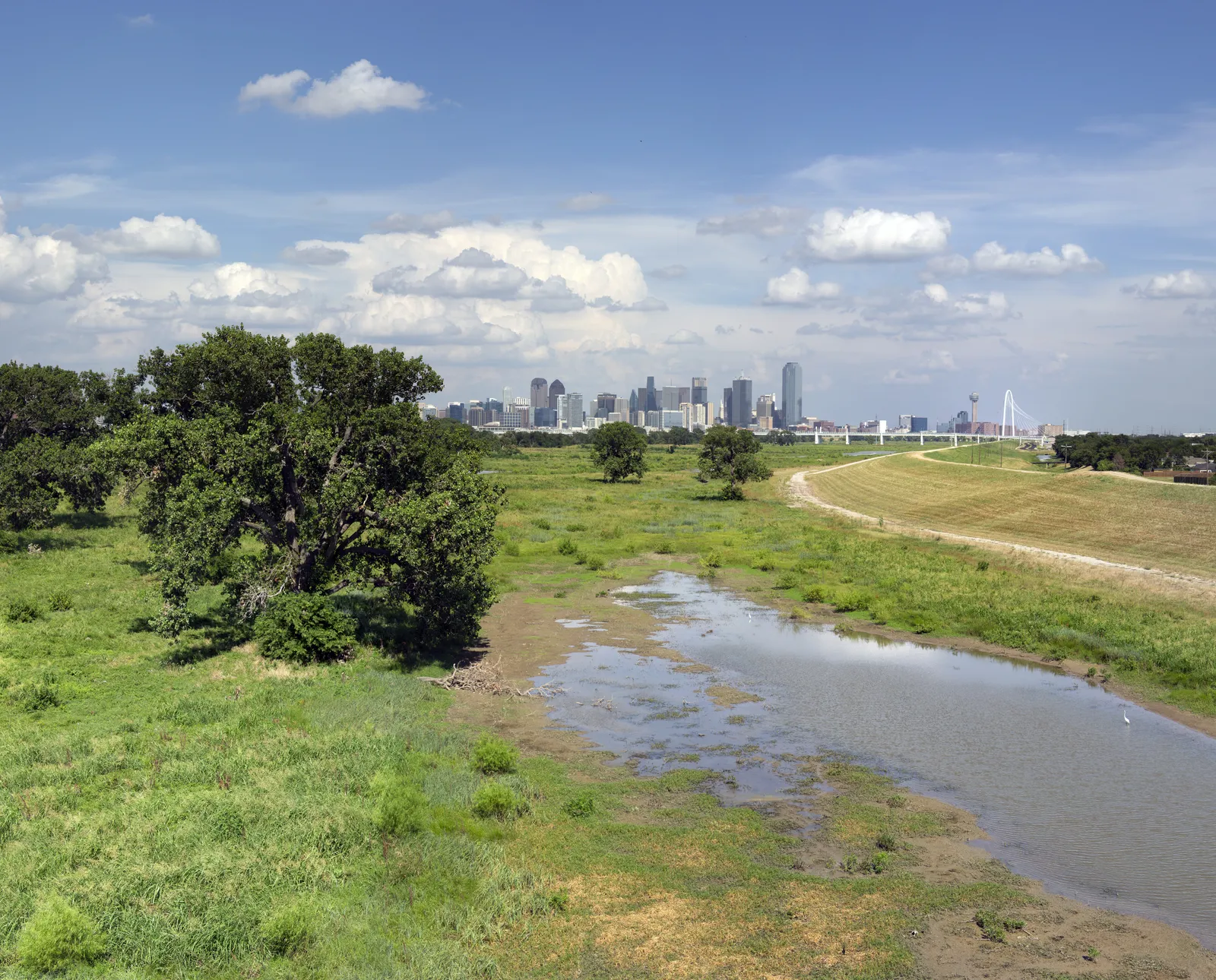
Dallas–Fort Worth, from one operator's annual report.
Sources and caveats: What Dallas storage units really cost.
Up to three quotes, side by side: promotions, admin fees, protection plans and rent increases over your stay.
Rooms or vehicle to unit size, drawn to scale, with a check for your longest item.
What has to happen before a facility can auction a unit, and how to stop it, straight from the statute.
Dallas averages about 106 days a year at 90°F or hotter. What that means for stored belongings, and what to ask first.
Photos: Jiwoahn, CC0, via Wikimedia Commons; Psychozoia, CC BY-SA 4.0, via Wikimedia Commons. Illustrations drawn for this site.
Sourced from operators' filings, the text of the Texas Property Code and NOAA climate data. Every figure links to its source.
Advertised Dallas storage prices are move-in rates. Here is what operators list, what one large operator reports tenants actually pay, and why.
What Texas Property Code Chapter 59 requires before a Dallas storage facility can sell a unit's contents, how to stop a sale, and what auction buyers should know.
Dallas averages about 106 days a year at 90°F or hotter. Here is what that means for stored belongings, what climate control costs, and what to ask first.
How to choose vehicle storage in Dallas, from an outdoor space to an enclosed unit or indoor car club, which unit size fits, and Texas lien rules for vehicles.
Twelve questions to ask a Dallas storage facility before you sign, each tied to a cost, a contract term or a Texas law that affects you.
Dallas storage search results are full of operators and listing sites showing "from $5" prices. Those are real offers, but they are move-in rates. We aren't a storage company and we don't rank facilities. We publish the arithmetic and the primary sources (operators' own filings, Texas statute text and NOAA climate data) so you can judge any quote yourself. How we work.

